
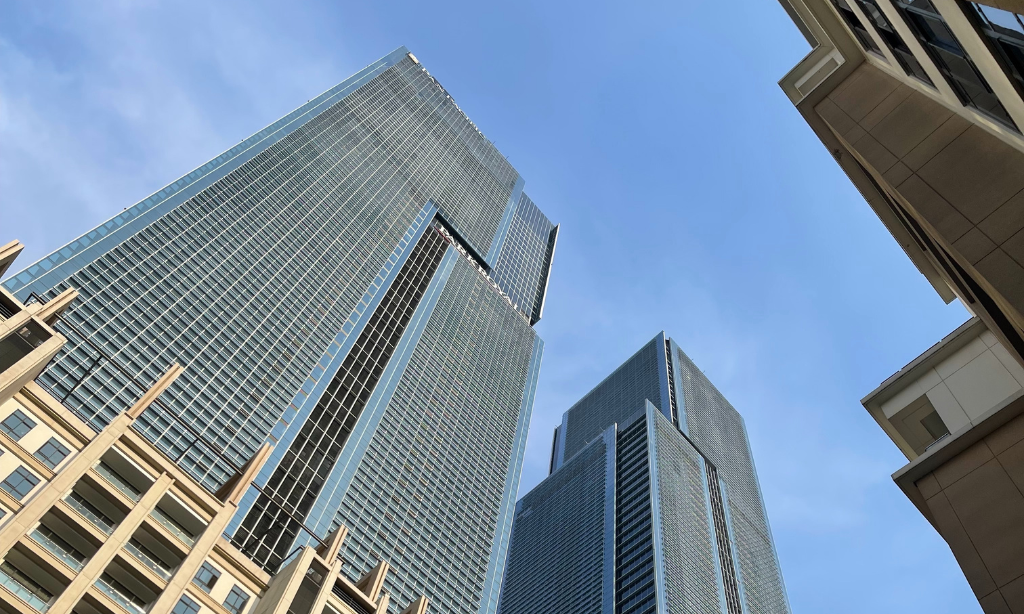
Building height may seem like a straightforward measurement, but the figure depends on where measurement begins and which part of the structure defines its top. In modern architecture, different methods serve different purposes. Understanding these distinctions helps explain how skyscrapers are measured and ranked worldwide.
Three Ways to Measure a Skyscraper
The Council on Tall Buildings and Urban Habitat (CTBUH) recognizes three standard height measurements. Each provides a different perspective on a building's scale.
1. Height to Architectural Top
This is the most widely used measurement for international skyscraper rankings. It measures from the level of the lowest significant, open-air pedestrian entrance to the building's architectural top.
Permanent architectural spires are included. Antennas, flagpoles, signage, and other functional equipment are excluded.
2. Height to the Highest Occupied Floor
This measurement identifies the finished floor level of the highest floor designed for regular occupancy. It helps illustrate how high people can live, work, or access other usable spaces within a tower.
3. Height to Tip
This measurement reaches the building's highest physical point, regardless of its material or function. Antennas and other structures above the architectural top may therefore affect this figure.
Source: CTBUH Tall Building Criteria.
Why Is Roof Height Different?
Roof height may also appear in architectural specifications, but it is not one of CTBUH's three standard height categories. This distinction matters because skyscrapers can have stepped rooftops, mechanical structures, or architectural elements extending beyond their main roofline.
A building's highest point may therefore differ from its roof level. Comparing towers accurately requires understanding which measurement is being reported.
Measuring Autograph Tower at Thamrin Nine
Autograph Tower offers a useful example of these distinctions. Located within Thamrin Nine Complex in Central Jakarta, the tower stands 382.9 metres (1,256 feet) tall according to the Skyscraper Center.
You may also see its height rounded to approximately 383 or 385 metres in promotional materials. Always check the source and measurement convention before making a comparison.
The tower's height represents more than a number. It reflects the architectural design and engineering required to create a landmark within Jakarta's urban landscape.
See Jakarta from a Different Perspective
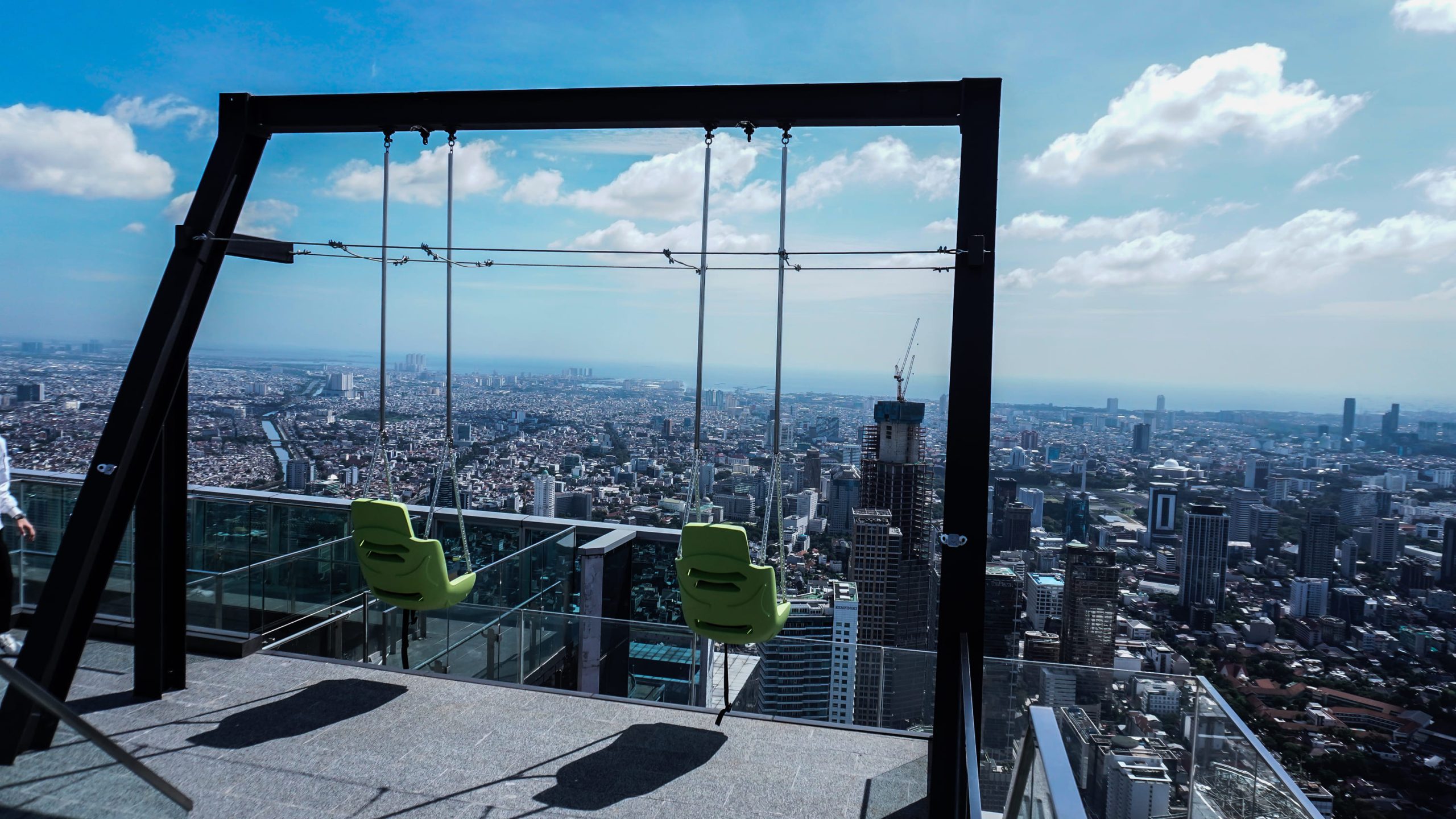
At UP at Thamrin Nine, visitors can experience the city from an elevated vantage point. The surrounding skyline offers a new perspective on the scale, proportions, and architectural character of Jakarta's buildings.
Understanding how skyscraper height is measured adds another dimension to that view. It reveals how architecture combines technical precision with the ambition to shape a city's skyline.